In theory, properly engineered and maintained cooling coils should deliver 20+ years of service life. In practice, most coils are replaced prematurely. The root causes are typically operational neglect, environmental exposure, improper application, or design limitations. Below are the three primary drivers of early replacement, along with technical context.
1. Increased Air Resistance from Coil Plugging

Failure Mechanism:
Airborne contaminants (dust, pollen, fibers, grease aerosols) penetrate beyond the fin surface and embed deep within the coil core. Once lodged between fins and tubes, they cannot be fully removed by routine air-side cleaning.
Primary Causes:
-
Poor filtration
-
Irregular filter replacement
-
Lack of annual coil cleaning
-
High-particulate environments
Performance Impact:
-
Increased air-side static pressure
-
Reduced airflow (CFM)
-
Decreased heat transfer
-
Reduced system capacity and efficiency
Plugged cooling coils often force the fan to operate outside design conditions, increasing energy consumption while lowering cooling output.
2. Freeze Damage
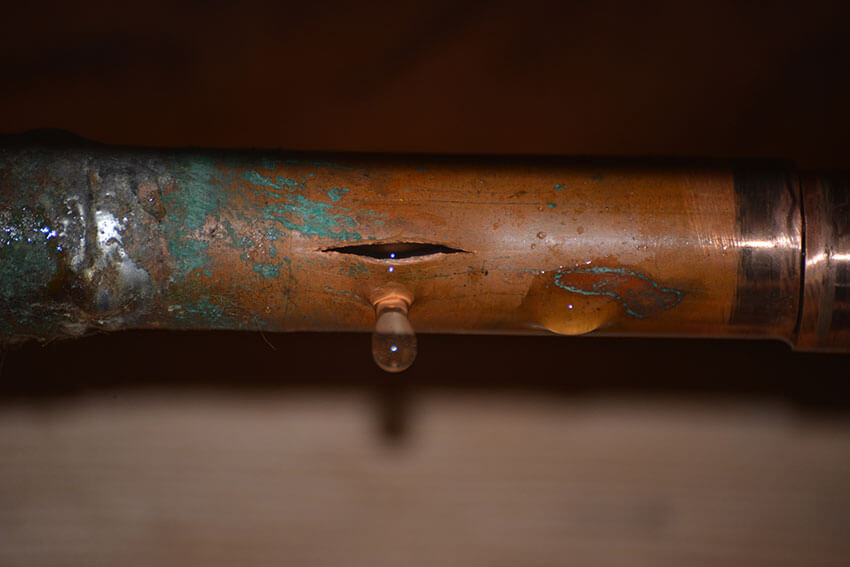
Failure Mechanism:
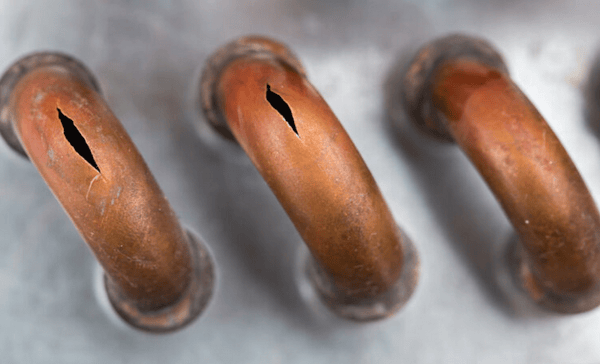
Water trapped in coil tubes expands during freezing, generating internal pressures sufficient to rupture copper tubes.
Why It Happens (Even When Dormant in Winter):
-
Circuiting designs that prevent full drainage
-
Drain connections positioned above low tubes
-
Lack of glycol protection
-
Inadequate winterization procedures
Consequences:
-
Multiple hidden leaks
-
Thinned tube walls due to pressure expansion
-
Progressive failures after initial repair
-
High risk of recurring leaks
Once a coil experiences extensive freeze damage, repair becomes unreliable. The metallurgical integrity of the tubes is compromised, making replacement the only durable solution.
3. Corrosion

Air-Side Corrosion
-
Salt-laden atmospheres (coastal or industrial)
-
Hydrogen sulfides (e.g., wastewater treatment facilities)
-
Chemical exposure in manufacturing environments
Visual Indicator:
A white ring around the tube-to-fin interface. This indicates loss of mechanical bond and reduced thermal conductivity between tube and fin.
Effects:
-
Reduced heat transfer
-
Loss of tube/fin contact
-
Core blockage from corrosion byproducts
-
Elevated air pressure drop
Water/Refrigerant-Side Corrosion
-
Raw, untreated water
-
High mineral content
-
Improper water chemistry control
Internal corrosion weakens tube walls and leads to pinhole leaks, particularly in copper tubing exposed to aggressive water conditions.
Key Takeaway
Cooling coil replacement is common—but preventable. Most failures are not random; they are the result of design limitations, environmental exposure, or maintenance gaps. Replacing a coil without diagnosing the root cause often guarantees another premature failure.
If longevity, efficiency, and reliability matter, the solution isn’t just replacement—it’s engineered improvement.
RELATED POSTS